

The most common mistake people make about UK insect decline is filing it under ‘farming problem’ and moving on. Pesticides get the blame, and plenty of it is deserved, but the back garden gets a free pass. That’s the bit that matters. Britain’s gardens add up to a lot of land, and how we keep them is part of why the bugs are going. Whether you’ve got a lawn, a patio or three pots on a windowsill, you’re already helping or hurting. Let’s go through the usual myths one at a time.
How bad is UK insect decline?
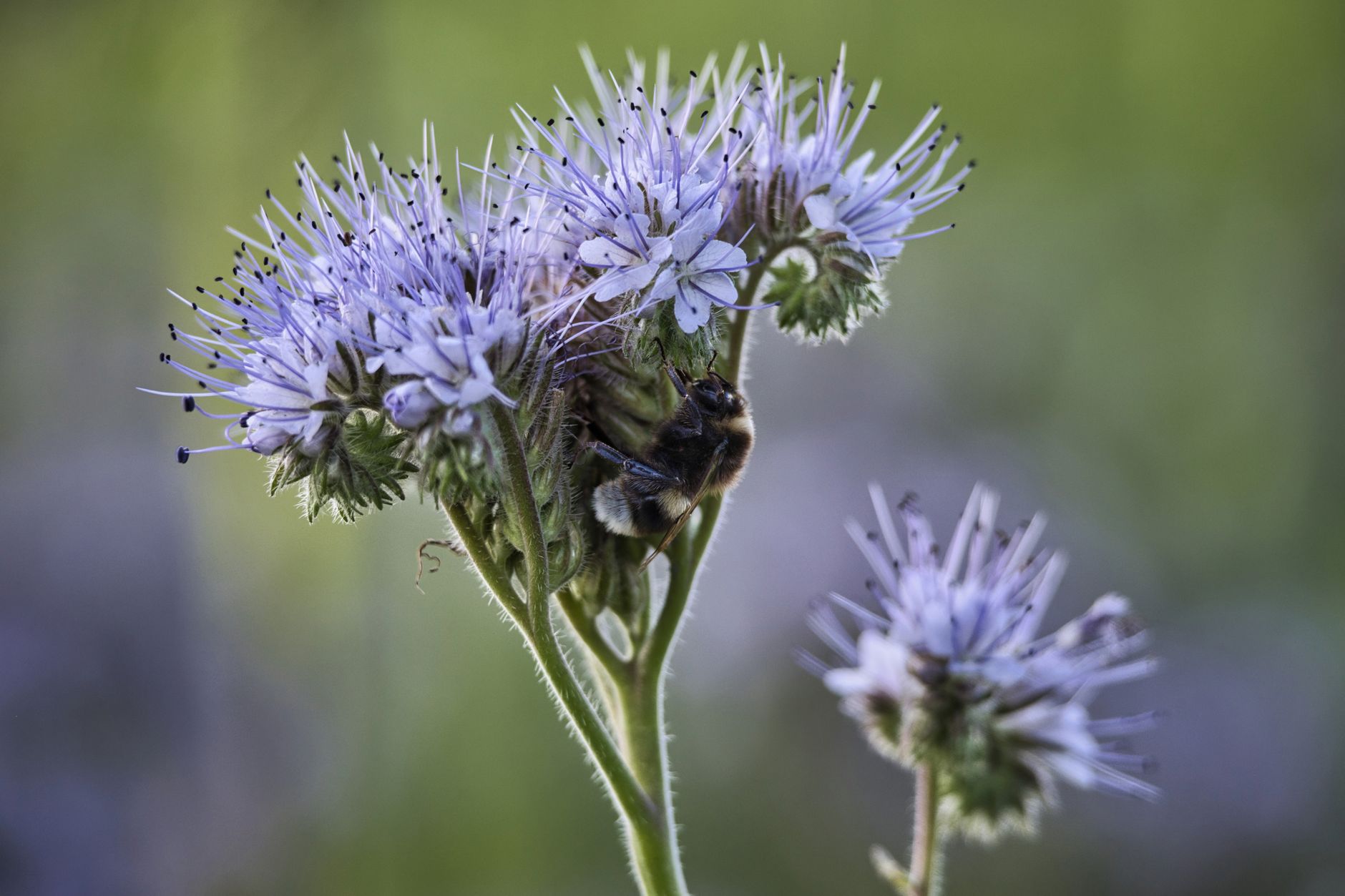
UK insect decline is well documented, though the scale depends on which group you measure. Britain has no single national measure of insect biomass, so the picture is pieced together from moths, butterflies, bees and freshwater invertebrates. Butterfly Conservation’s State of Britain’s Larger Moths report found that total moth abundance fell by about a third between 1968 and 2017. The State of Nature partnership’s 2023 report found the average abundance of 753 monitored UK species had dropped by 19% since 1970.
The study that really spooked people was German: researchers measured flying insect biomass in nature reserves and found a fall of more than 75% over 27 years. It wasn’t a British study, but nobody has given us good reason to think our reserves are somehow immune.
Myth 1: it’s all down to pesticides
Pesticides are one driver among several, and fixing only that one wouldn’t bring the insects back. Neonicotinoids and other insecticides do real harm, but the quieter killers are bigger and duller:
- Habitat loss. Plantlife says the UK has lost around 97% of its wildflower meadows since the 1930s. That’s a lot of nectar and caterpillar food gone.
- Fragmentation. Tiny leftover patches of good habitat are often too far apart for insects to reach.
- Climate change. Mild, wet winters and shifting seasons can leave insects out of step with the plants and weather they depend on.
- Nitrogen pollution. Fertiliser run-off and air pollution feed nettles and coarse grasses, which crowd out the wildflowers insects need.
- Artificial light at night. Moths get pulled off course from feeding and breeding. Turning off a porch light is about the cheapest fix going, and it might help your own sleep too. If you want the human side of living with the lights on, there’s a good read on late-night culture and Britain’s insomnia problem.
Myth 2: fewer insects just means fewer wasps at the picnic
Fewer insects means a food chain with its bottom rungs sawn off. Blue tit chicks, for example, are raised largely on caterpillars, so a poor caterpillar year means poor nesting success. Swifts, swallows, house martins and spotted flycatchers eat flying insects on the wing. Bats, hedgehogs, frogs and shrews all rely on invertebrates too.
Then there’s the stuff you never see. Beetles, flies and other decomposers break down dead wood, leaf litter and dung, returning nutrients to the soil. Pollinators set the seed and fruit that feed birds and mammals through autumn and winter. Lose enough of them and plants set less seed, which means less food again. Nothing collapses in one dramatic scene. It just thins out, year after year, and gets a bit quieter.
If you want the full, unsoftened picture beyond insects, from birds to habitats, The Devils Choice takes a close-up look at Britain’s collapsing biodiversity without the soothing wellness gloss.
Myth 3: a tidy garden is a healthy garden
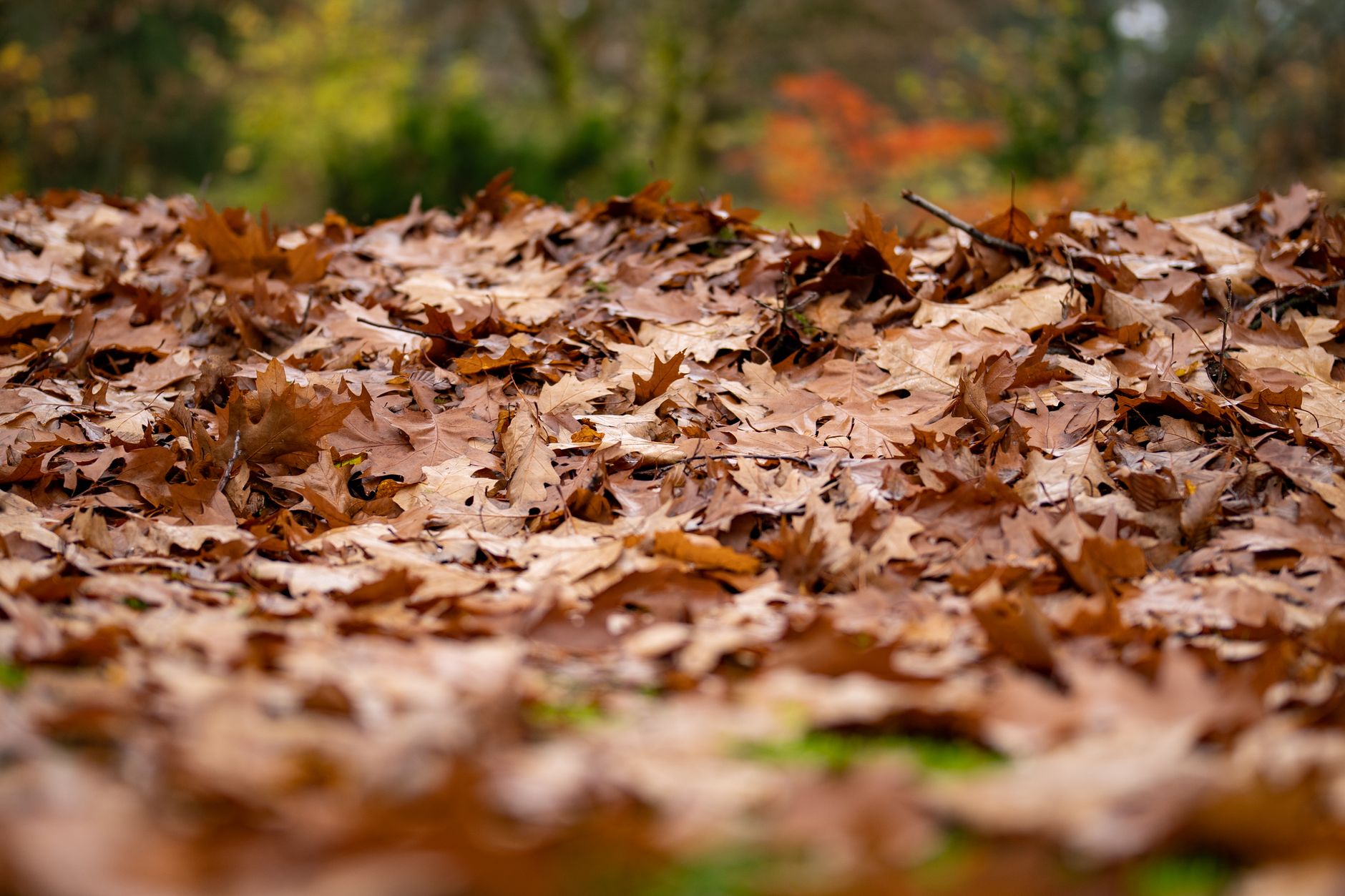
A tidy garden is usually a bare one. Neatly trimmed lawns, cleared borders, decking and plastic grass offer almost nothing to eat or hide in. Autumn is when this goes wrong most: the urge to cut everything back and bag up the leaves removes the places where bumblebee queens, ladybirds, solitary bees and butterfly pupae spend the winter. Mess is shelter. A leaf pile is a hotel.
Myth 4: you have to rewild the whole garden
You don’t. Small, lazy changes do most of the work, and several of them involve doing less. The ones that move the needle:
- Leave the leaves and stems. Keep a pile in a corner and leave hollow stems and seed heads standing until spring.
- Mow less and mow later. Let a patch of lawn grow long and cut it once the flowers have gone over.
- Plant for the gaps. Ivy flowers in autumn and is a vital late nectar source. Plant crocuses and snowdrops now for early bumblebee queens in late winter. Buglife, the invertebrate conservation charity, has practical advice for gardens if you want plant ideas.
- Bin the sprays. Weedkillers wipe out the plants insects feed on. Our piece on lawn chemicals and wildlife covers what to do instead.
- Start a compost heap. It’s free habitat, and it feeds your soil. Here’s the lazy guide to composting.
- Switch off outdoor lights at night, or fit a timer.
- Add water. A washing-up bowl sunk into the soil, with a few stones for insects to climb out on, is enough to start.
None of this fixes decline on a national scale. But hundreds of thousands of slightly scruffy gardens do add up to a network of habitat that farmland and town centres currently lack. Start this weekend by not tidying something.
Frequently Asked Questions
Are insects really declining in the UK?
Yes. Long-running monitoring shows falls in moths, butterflies and many other groups. Butterfly Conservation found larger moth abundance down by about a third between 1968 and 2017. There’s no single national biomass figure, so scientists combine several datasets.
What is causing insect decline besides pesticides?
Habitat loss is the biggest driver, including the loss of wildflower meadows and hedgerows. Climate change, nitrogen pollution, artificial light at night and over-tidy gardens also play a part. Most researchers see it as several pressures stacking up rather than one culprit.
Why does insect decline matter to people?
Insects pollinate crops and wild plants, break down waste and feed birds, bats and other wildlife. Losing them weakens those links in the food chain. The effects tend to show up gradually, as fewer birds, less fruit and thinner soil life.
Should I cut back my garden in autumn?
Do less of it. Many insects overwinter in leaf litter, hollow stems and long grass, so clearing everything removes their shelter. Leave a leaf pile, keep seed heads standing, and do the bulk of your tidying in spring once temperatures rise.
What are the best plants for insects in the UK?
Native and nectar-rich plants work well, such as ivy, crocus, foxglove, borage and lavender. Aim for something flowering in every season, including late autumn and early spring when food is scarce. Avoid heavily double-flowered varieties, which often give little nectar.
Leave a Reply