

Sewage and water quality have been in the headlines for years, and chalk streams England pollution sits right in the middle of that row. These are some of the clearest, gentlest rivers on Earth, and most of them are in the south and east of England, which means they flow through the most densely populated, most water-hungry part of the country. If you live in Hertfordshire, Hampshire, Wiltshire, Norfolk or Yorkshire’s Wolds, there may be one within walking distance. Take a seat, this one matters.
Chalk streams are fed by rain that soaks through chalk hills and comes out as groundwater, filtered and steady. Roughly 85% of the world’s chalk streams are thought to be in England, a figure widely quoted by conservation groups and by Defra in its chalk stream work. That makes this a rare thing which we happen to be custodians of, whether we like the job or not.
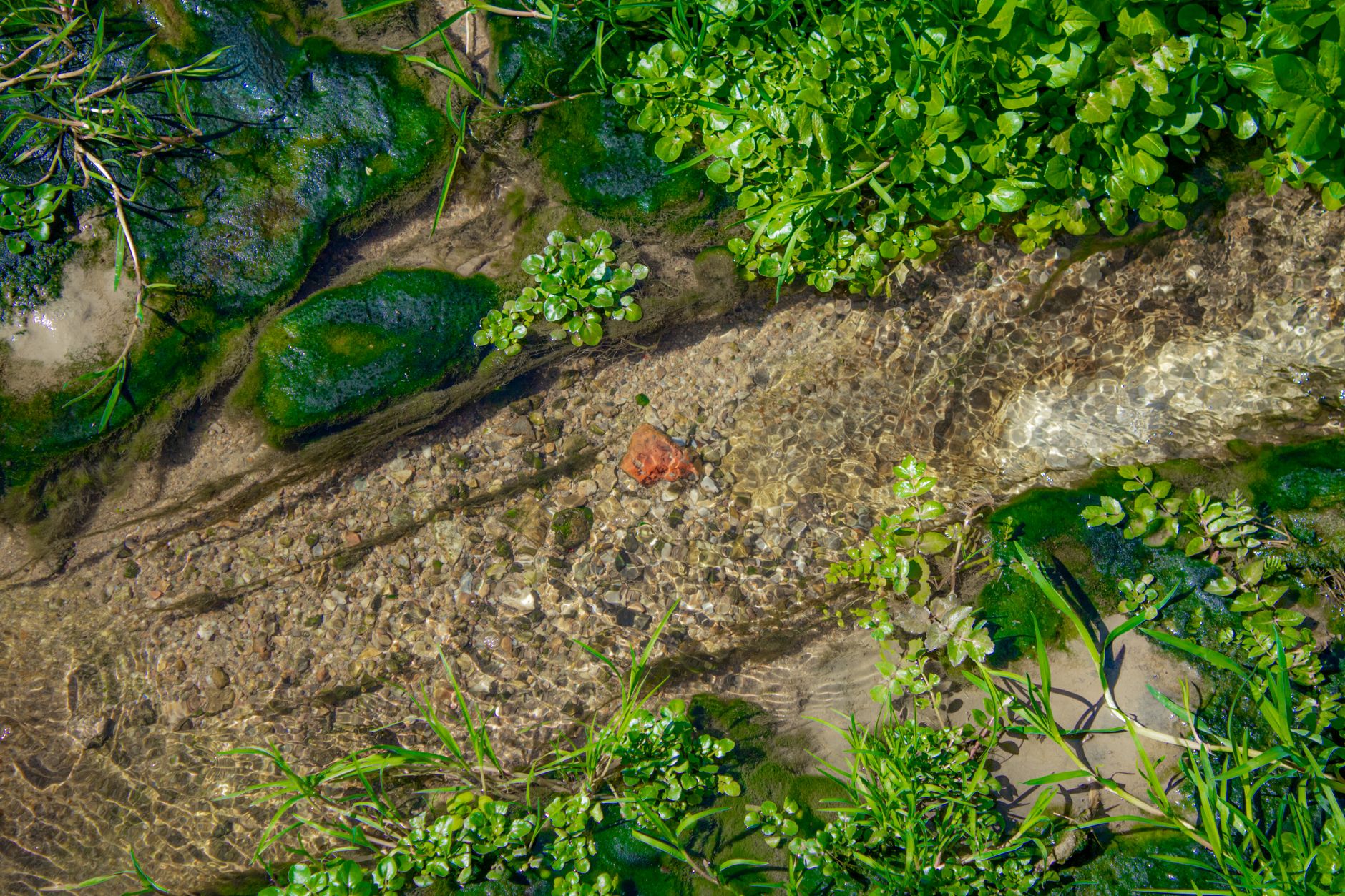
What makes a chalk stream so special?
A chalk stream is a river fed mainly by groundwater from chalk aquifers, which gives it unusually clear, cool water with a stable temperature and flow all year. Because the water is filtered through rock, it is naturally low in sediment and rich in minerals, so gravel beds stay clean and bright.
That steadiness suits wildlife that is fussy about its address. Brown trout and Atlantic salmon spawn in the clean gravel, and water crowfoot waves its white flowers in early summer. Water voles, kingfishers and otters turn up too. Take away the steady flow and the clean gravel, and the whole cast has to pack up.
How are chalk streams being damaged?
Chalk streams are being damaged mainly by two things: pollution, including treated and untreated sewage discharges plus runoff from farmland and roads, and over-abstraction, where too much water is pumped out of the aquifer before it can reach the river.
Pollution first. Storm overflows are designed to release diluted sewage during heavy rain, but the Environment Agency’s annual event duration monitoring data has shown they have been spilling far more often than an emergency valve should. Chalk streams are especially vulnerable because their flow is gentle and their water is naturally low in nutrients. Extra phosphorus from sewage works and agriculture feeds algae, which smothers plants and strips oxygen from the water.
Then abstraction. Water companies take groundwater from the same chalk that feeds the streams, to supply taps in some of the driest, busiest parts of England. After dry spells, stretches of some chalk streams have shrunk to a trickle or gone dry altogether. A river that is clean but missing is not much help to a trout.
Pollution vs abstraction: how do the two threats compare?
The two problems often get lumped together, but they behave differently and they need different fixes. Here is a plain side-by-side.
| Factor | Pollution | Over-abstraction |
|---|---|---|
| What goes wrong | Nutrients, sewage and silt lower water quality | Too little water reaches the river |
| Main sources | Sewage works, storm overflows, farm and road runoff | Public water supply boreholes, plus some industry and agriculture |
| What you can see | Algae, cloudy water, smell, fewer insects | Low flows, exposed gravel, dry upper reaches |
| Hit hardest in | Heavy rain, and low flow when pollution is less diluted | Droughts and dry summers |
| Main fixes | Upgrading treatment works, cutting spills, better farming practice | Lower abstraction limits, leakage reduction, using less water at home |
The nasty bit is that they feed each other. Less water means less dilution, so the same pollution does more harm. Fixing only one leaves the river half-sorted.
What does the law and regulation say?
Chalk streams have been the focus of a Defra and Environment Agency chalk stream restoration strategy, and Ofwat, the water regulator, has set out funding for water companies to improve environmental performance. The detail of targets and spending changes, so check the Environment Agency on GOV.UK for current data on storm overflows and river health in your area.
My view: the plans are welcome, but a plan is not a river. What counts is whether discharges actually fall and whether abstraction licences actually shrink on the streams most at risk.
What does clean, moving water do for your wellbeing?
Spending time near clean, moving water is linked with lower stress and better mood. Research from groups such as the University of Exeter, using data on England’s population, has found that people who spend time near water, often called blue space, tend to report better mental health than those who do not. That is correlation, not magic, and being outdoors and walking does plenty of the work.
Still, there is something about a chalk stream. The sound is soft rather than roaring, the water is see-through, and you can stand on a bridge and watch a trout hold its position for ten minutes without it feeling like a waste of time. If you like the idea of gentle water therapy, our piece on Britain’s canal network and wellness covers a slower, more human-made cousin of the same idea.
It also cuts the other way. Walking beside a river that smells off or is choked with green slime does not do much for the nerves. Clean water is not a luxury extra to the wellbeing benefit, it is the thing doing the job. If that leaves you feeling a bit low about the state of things, you are not alone, and eco-anxiety is a real and common response.
Who should do what? A lazy guide to helping
Not everyone needs to become a river warrior. Pick the one that suits you.
- If you want a low-effort win: use less water at home. Shorter showers and fixing a dripping tap ease pressure on local aquifers, especially in the south and east.
- If you like being outside: join a local river trust or volunteer group. Many run riverfly monitoring, litter picks and habitat work, and some trust tests for phosphates.
- If you like making noise: contact your MP and water company about storm overflow spills and abstraction near your local stream.
- If you just want to enjoy it: go and look. Walk the nearest chalk stream, notice what lives there, and report pollution incidents to the Environment Agency incident hotline on 0800 80 70 60.
For a first step, find your nearest chalk stream on a map, take a flask down there this weekend and just watch the water for a bit. You will know pretty quickly what is worth protecting.
Frequently Asked Questions
How many chalk streams are there in the world?
Chalk streams are very rare globally, and around 85% of them are thought to be in England, a figure widely cited by conservation groups and Defra. Others are found in northern France and a handful of other places. England therefore carries most of the responsibility for protecting them.
Which areas of England have chalk streams?
Most are in southern and eastern England, including Hampshire, Wiltshire, Dorset, Berkshire, Hertfordshire, Norfolk and Lincolnshire, plus parts of Yorkshire. Famous examples include the River Test, River Itchen and River Kennet. Look for rivers running off chalk downland or wolds.
Why do chalk streams run dry?
They can run dry when groundwater levels fall after dry weather and when water is abstracted from the chalk aquifer for public supply. Because the streams are fed from underground, lower aquifers mean lower flows. Sections often dry out first in the upper reaches.
Is it safe to swim in a chalk stream?
Many chalk streams are shallow, cold and not designated bathing waters, so water quality is not routinely monitored for swimmers. Sewage discharges and farm runoff can affect them. Check local information from the Environment Agency and your local river group before getting in.
How can I report pollution in a river?
Call the Environment Agency incident hotline on 0800 80 70 60, which is open 24 hours a day. Note the location, what you can see or smell, and take photos if safe. Reporting quickly helps officers investigate while evidence is still there.
Leave a Reply