

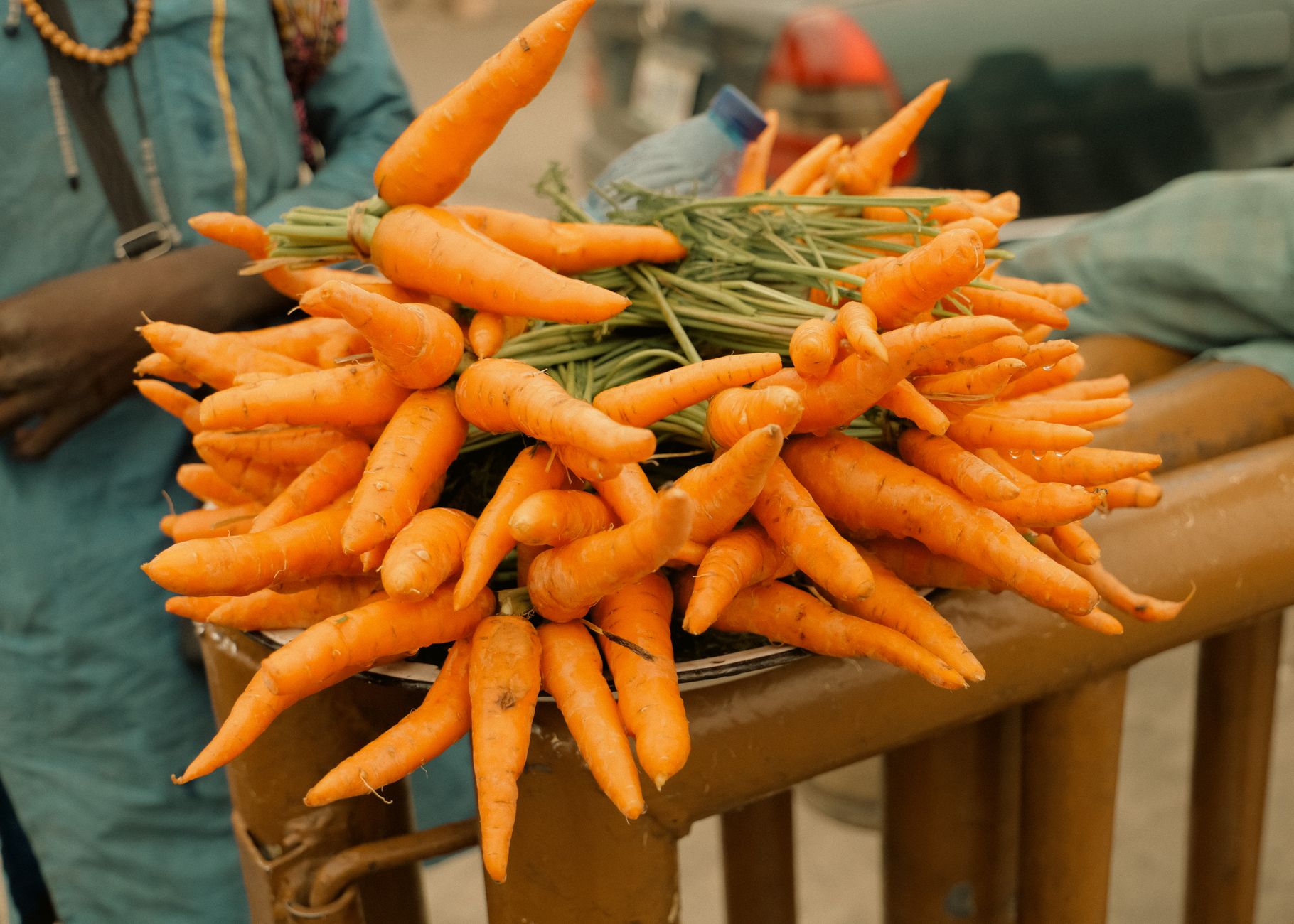
Eating ugly veg is the laziest good thing you can do for the planet, because it asks you to change nothing except your standards. A crooked carrot tastes like a straight one. The only difference is that one of them gets binned for looking odd, and the other gets a place on the shelf.
The scale of the waste is well documented. WRAP, the UK’s waste reduction charity, has repeatedly found that households are the biggest source of food waste in Britain, with farms, manufacturers and shops making up the rest. Fresh veg and salad are among the most commonly thrown-away items at home. Waste on the farm is harder to measure, but growers have long talked about crops rejected over size, shape or blemishes that have nothing to do with flavour or safety.
So where do you actually get the wonky stuff? There are three main routes: supermarket value ranges, veg box services and buying straight from the farm. They suit different kinds of people, so here is how they stack up.
Which is best for eating ugly veg: supermarket, veg box or farm gate?
For most people the easiest option is a supermarket, the cheapest per kilo is often the farm gate, and the one with the least decision-making is a veg box. Which one wins depends on how much effort you can be bothered with.
| Option | Effort | Cost | Waste cut | Best for |
|---|---|---|---|---|
| Supermarket wonky or value ranges | Very low | Usually cheaper than premium lines | Moderate, range and stock vary | Weekly shop, no changes to routine |
| Veg box delivery | Low | Mid-range, varies by company | Good if the box is surplus-focused | Busy people who like surprises |
| Farm gate or farm shop | Medium | Often lowest per kilo, especially in season | High, as you buy direct | Rural and semi-rural households with a car or a bike |
Prices move around, so treat the table as a rough guide and compare per kilo on the day.
Supermarket wonky veg: easy, but patchy
Several UK supermarkets have run wonky or imperfect veg lines over the years, and most also stock budget ranges that take produce outside the usual size and shape specs. The upside is obvious: you do nothing differently. The downside is that ranges come and go, availability depends on your branch, and the packaging can be plastic-heavy. Check what is on the shelf at your own shop rather than assuming a scheme exists.
My advice: if you already shop weekly at a big supermarket, buy the loose and value veg first, and look for the cheapest per-kilo price rather than the prettiest bag. That alone shifts demand towards the stuff that would otherwise be rejected.
Veg boxes: the lazy person’s option
Veg box companies deliver a mixed box, often built around whatever the growers have in abundance that week. That is the whole point. You get what is in season, in whatever shape it grew, and you cook around it. Some firms also run surplus or imperfect boxes specifically, though the details differ by company, so read what each one actually promises before you sign up.
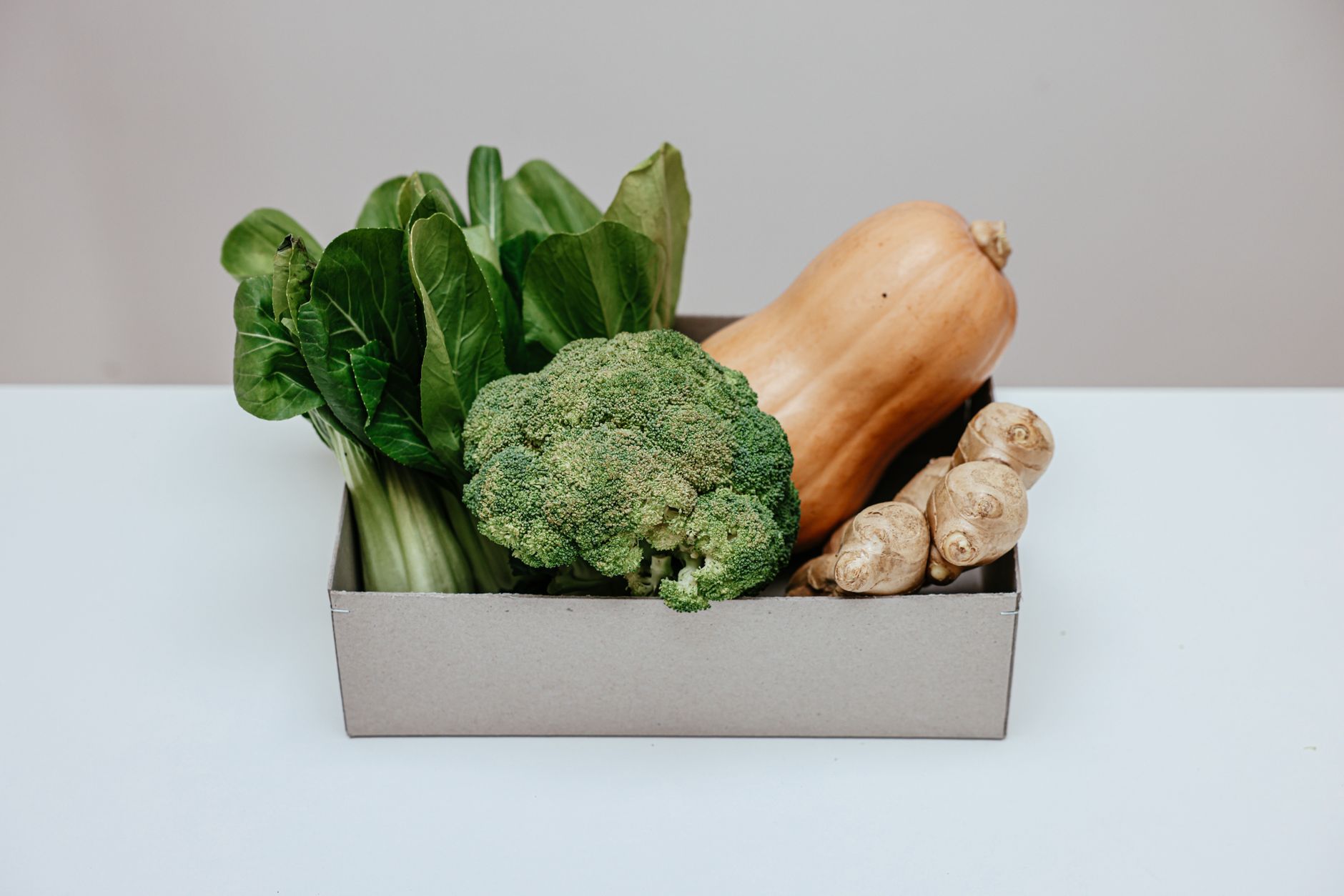
The catch is that a box can overwhelm you. Nobody needs four celeriac in November. If you struggle with that, pick a service that lets you skip items or choose a smaller size. The best box is the one you actually finish.
Farm gate buying: cheapest, and a bit of an adventure
Farm shops, honesty boxes and roadside stalls often sell produce at a lower price than shops, because there is no middleman. Autumn is a good time for it: squash, potatoes, carrots, leeks and kale are all in season in the UK right now. Many farms sell their seconds, the oddly shaped or slightly marked stuff, at a discount or in big sacks.
Bring cash and a bag. Not every farm takes cards, and some stalls run on trust. It takes more effort than clicking an order button, but you get fresher veg and a nice excuse to get outside. If you fancy going further down the local-food rabbit hole, have a look at what a week of eating only British-grown food actually looks like.
Why it matters for the planet
When food is wasted, so is everything that went into growing it: land, water, fertiliser, fuel and transport. Food that rots in landfill also produces methane, a potent greenhouse gas. WRAP has estimated that food waste is a significant contributor to UK greenhouse gas emissions, which is why cutting it is considered one of the most effective things households can do. You can read more on the government’s food waste guidance at Defra.
Eating wonky veg will not fix this alone. But it makes the system a little less fussy, and it nudges growers and shops to accept produce they would otherwise reject.
The relaxed cooking bit
Ugly veg also loosens you up in the kitchen. A forked parsnip is still a roast parsnip. A bendy courgette is still soup. Once you stop expecting uniform veg, you stop following recipes so rigidly and start cooking with what you have. That is the real habit that cuts waste at home.
A few lazy rules help. Roast the odd bits together on a tray. Turn soft veg into soup or a big stew. Freeze what you will not get through. Put your oldest veg at the front of the fridge so it gets used first. If you want somewhere to send the peelings, our lazy guide to composting covers it.
Who should pick which?
- Supermarket: you want zero change to your routine and only a small saving.
- Veg box: you like being handed a plan and do not mind improvising dinner.
- Farm gate: you have a farm shop nearby, like a bargain and do not mind a short trip.
You can mix them. Many people use a veg box for the base and top up at a farm shop. Try one for a month, see how much ends up in the compost, and switch if it is more than you would like.
This week, pick the knobbliest carrots on the shelf and see if anyone notices.
Frequently Asked Questions
Is wonky veg cheaper than normal veg in the UK?
Often, but not always. Value ranges and farm shop seconds tend to be cheaper per kilo than premium lines, while some veg boxes cost about the same as shop prices. Compare the price per kilo on the day rather than assuming.
Is ugly veg safe to eat?
Yes. Wonky veg is rejected for shape, size or minor marks, not for safety. Wash it, trim any damaged parts and cook it as you would any other veg. If something is mouldy or slimy, bin it.
How much food does the UK waste each year?
WRAP, the UK waste reduction charity, publishes regular estimates, and households are the largest source of food waste in the country. Check WRAP’s website for the latest figures, as they are updated periodically.
Do veg boxes really reduce food waste?
They can, particularly when they use produce in season or surplus from growers. They only help at home if you actually eat the contents, so choose a size you can manage and freeze or cook leftovers quickly.
Can I buy surplus veg directly from a farm?
Many farm shops, roadside stalls and honesty boxes sell seconds or surplus produce, often at a lower price. Call ahead or check the farm’s social media, and bring cash in case card payments are not available.



Leave a Reply