

You are walking to the shops and notice the council has strimmed the grass verge to the roots again, in the middle of summer, right as the clover was flowering. Bees gone, a bare strip of stubble left behind. Street rewilding is the opposite of that: ordinary people letting a bit of their street grow wild, or helping it along with a few seeds, pots and a bit of patience. It is small, cheap and, if enough of us do it, it adds up.
Here are the questions people actually ask about it, answered plainly.
What is street rewilding, exactly?
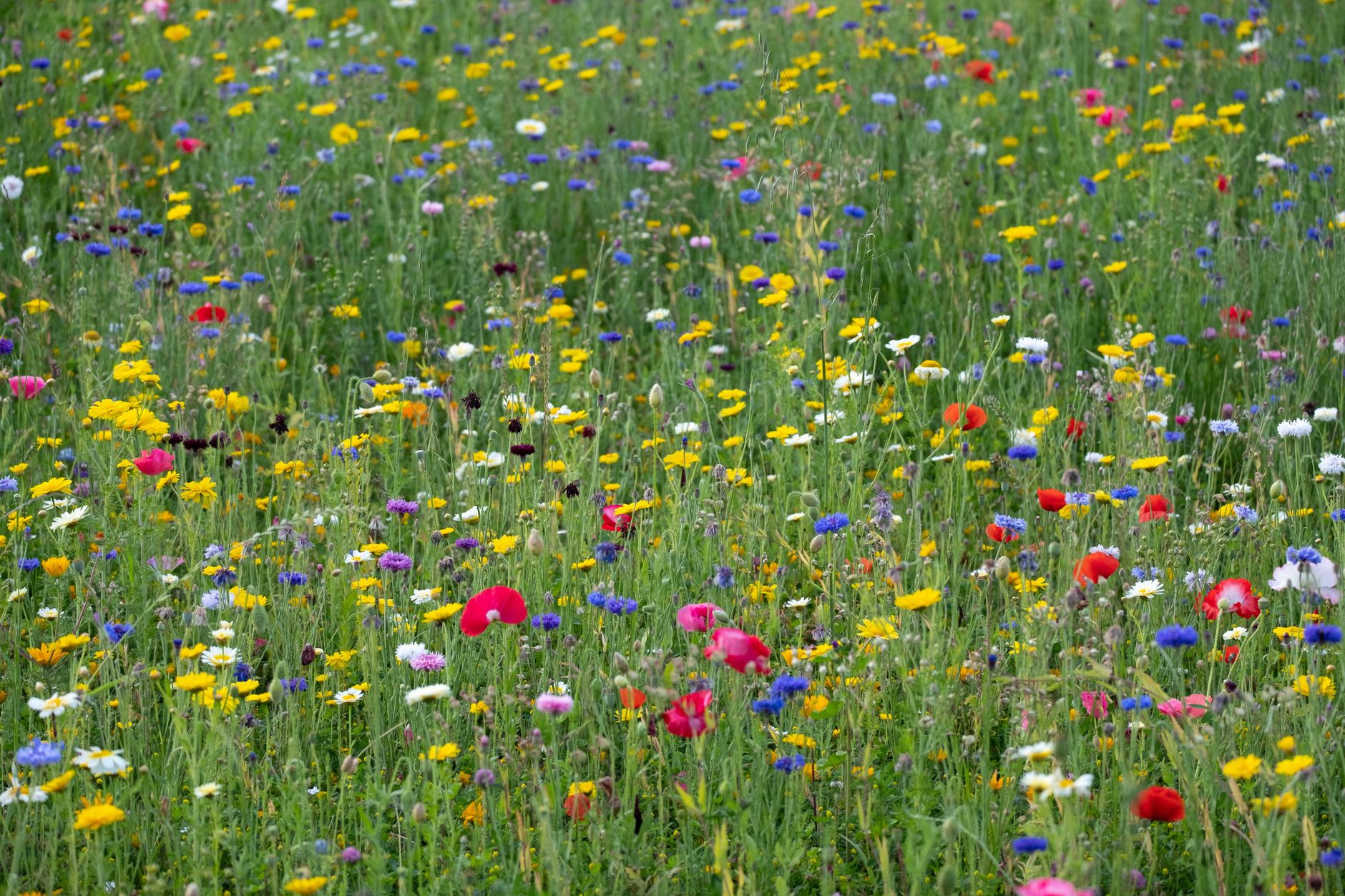
Street rewilding means giving wild plants and insects room to live on the bits of urban land nobody is using: verges, pavement edges, front garden corners, tree pits and the cracks between slabs. Nobody is bringing back wolves to your cul-de-sac. The aim is more flowers, more seeds, more insects and more places for them to hide, all within a few steps of your front door.
Britain has a lot of these scraps. Add them together and they form stepping stones between parks, allotments and gardens, which is how a hoverfly or a hedgehog gets from one patch to the next.
Can you plant on a grass verge?
Often you can, but check first, because most verges belong to the highway authority, usually the local council, not you. Many councils now run no-mow schemes or have a policy on community planting, and some will happily agree to a small patch if you ask. Look on your council’s website for verge or community planting guidance, or ring and ask who is responsible for your road.
Do not dig up a verge near a junction or blind bend, and leave utilities alone. Sight lines for drivers matter, and so does what is buried underneath.
What is guerrilla gardening, and is it legal?
Guerrilla gardening is planting on land you do not own or have permission to use, and technically that is trespass or even criminal damage in some cases. The movement has been around in Britain for years, with people scattering seed bombs and planting up neglected corners. Most of it is gentle and rarely prosecuted, but I would not recommend going rogue when asking nicely is usually easy.
The lazy, legal route: ask the council, ask the landlord, or ask a neighbour. A yes in writing beats a heroic story and a fine. You can also point to the grass you already have. Simply asking the council to stop mowing a patch costs nothing and needs no seeds at all.
Do pavement cracks actually matter for wildlife?
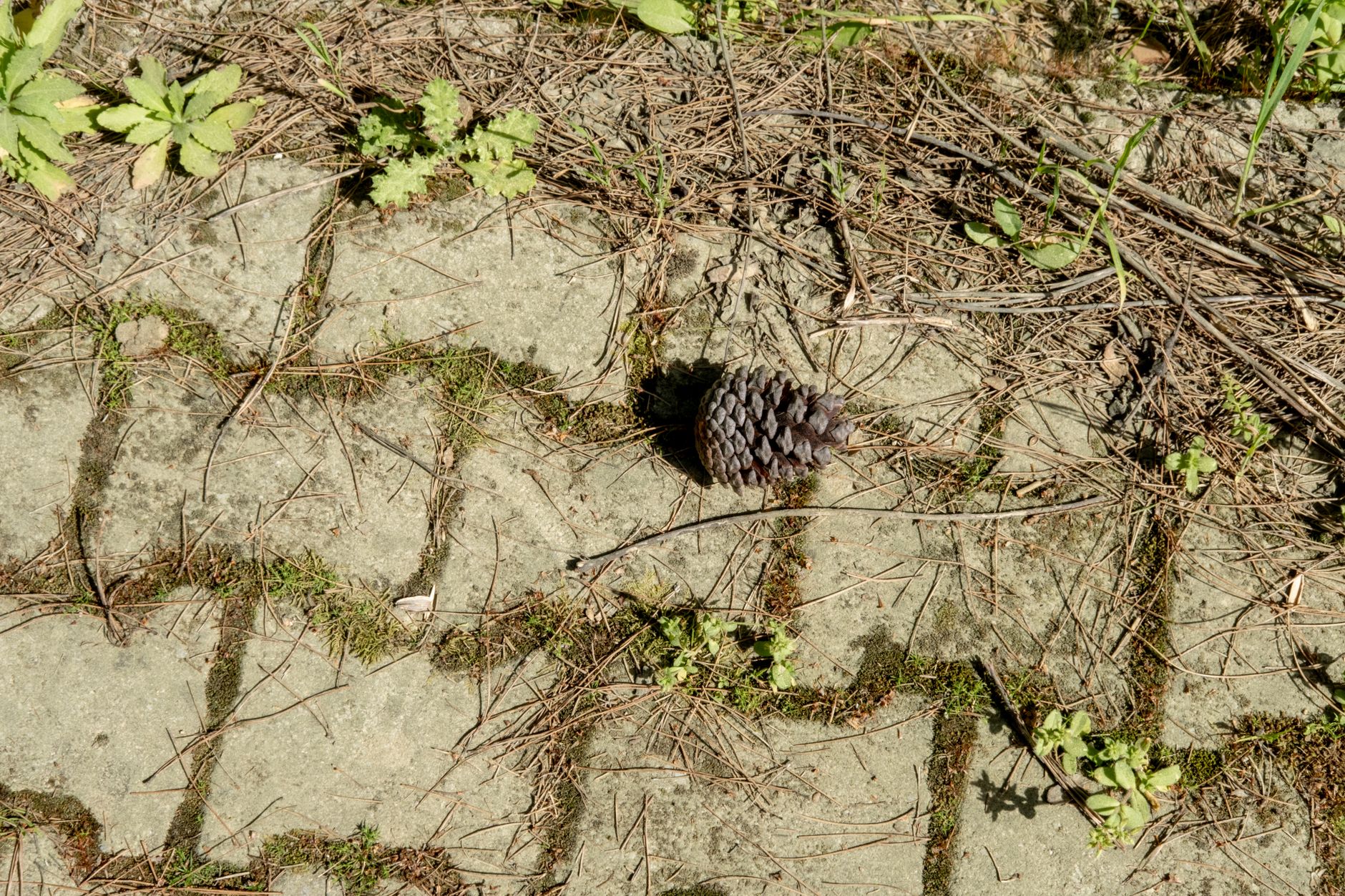
Yes, more than you would think. Pavement cracks, wall bases and kerb edges hold small amounts of soil where wild plants such as dandelion, daisy, herb-Robert and ivy-leaved toadflax turn up uninvited. Those plants feed bees, hoverflies and other insects, particularly early and late in the year when little else is flowering.
The easiest rewilding move is to stop spraying and scraping them out. Weedkiller on a pavement washes into drains, and the weeds are doing a job. Leave them be and you have done something useful while sitting down.
What can you do in five minutes without spending anything?
Stop mowing a patch, skip the weedkiller and leave some leaf litter. That is the whole shortlist, and each one helps. Try a few other easy moves:
- Let a strip of lawn grow long and see what flowers appear.
- Put a shallow dish of water out with a few stones in it so insects can drink without drowning.
- Leave seed heads standing over winter for birds and insects.
- Pile up a few logs or prunings in a corner as shelter.
- Plant a pot of native flowers by your front door, such as foxgloves, field scabious or wild marjoram.
Autumn, which is right now, is a good moment. Many native wildflower seeds need a cold spell to germinate, so sowing in autumn suits them. Leave the tidying until spring, and compost what you do cut. If you do not have a garden, our lazy guide to composting in a small garden or flat covers the rest.
Does it really make a difference to biodiversity?
One verge will not save a species, but many patches together do change what a neighbourhood can support. Conservation charities such as Plantlife have campaigned for years on verge management, and their Road Verge Campaign points out that verges can be some of the last places where wildflowers survive after the loss of so much meadow. Many of the wildflower meadows once common across Britain have vanished, so scraps of grassland carry real weight.
The idea behind it is connectivity. Insects and small animals need a chain of habitat, not one lonely island. Your bit of long grass, your neighbour’s pot of lavender and the pavement ivy down the road make that chain. You do not need to coordinate it. You just need enough people doing a little.
What does it do for your own wellbeing?
Noticing living things on your doorstep tends to lift your mood, and it costs you nothing but attention. Time spent around green space is linked with lower stress, and the NHS already runs social prescribing schemes that include nature-based activities. If you want the longer version, see our piece on how the NHS prescribes nature.
There is a quieter benefit too. Tending a patch gives you a reason to step outside, spot a bumblebee in November, and chat to the neighbour who wanders over to ask what you are doing. That chat is half the point.
How do you protect yourself from online scams while organising a street group?
If you start a neighbourhood planting group, you will probably set up a WhatsApp chat, a Facebook page or a small email list, and that makes you a target for fake payment requests and dodgy links. Keep it simple: never share bank details in a group chat, treat unexpected links with suspicion, and agree who handles any small funds. Basic guidance on spotting fake emails and messages is available from places like dijitul Support, which is worth a read before you start collecting a few quid for seed packets.
My advice for this weekend: pick one patch within sight of your front door, stop tidying it, and ring the council about the verge. Sow some seed while the soil is still damp, then go and make a cuppa.
Leave a Reply